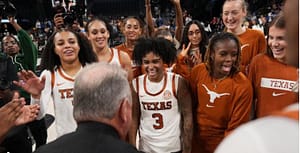
The film Glory Road tells the story of a 1966 NCAA title game. It’s not just a sports tale. It’s a moment that changed society.
Every year, Texas gyms buzz with the same excitement. The stakes are high, and the outcomes can change lives. We see immense pressure, legacy-defining strategies, and moments that shape communities.
This article dives into the state finals that changed everything. We’ll look at what makes a game legendary. With historical insights and expert analysis, we explore the lasting impact of these tournaments.
From game-winning shots to coaching genius, these games shape generations. Let’s go back to the moments where everything was at stake.
Evolution of Texas High School Championships
The 1966 NCAA championship, immortalized in Glory Road, was a big moment. But Texas high school tournament finals had their own path. They grew from small local games to the big UIL basketball events we see today.
This change shows how society and sports have evolved together. It’s a story of growth and progress.
Early Tournament Structures
In the early and mid-20th century, championships were mostly regional. Many teams never got to play for a state title. The tournaments were simple, focusing on local rivalries and community pride.
Games were slower and more methodical back then. Fast breaks and three-point shots were rare. The tournament structure was basic, unlike today’s complex system.
The Integration Era
The 1966 Texas Western victory was a big moment for integrated teams. It had a lasting impact on basketball. But, change in Texas high schools took time.
Don Haskins’s coaching philosophy, developed before 1966, was key. It changed how people thought about talent and teamwork. Integrating teams in championships was the next step, changing the game forever.
The Rise of the Modern UIL Tournament
The creation of a unified UIL basketball framework was a game-changer. It gave every school a clear path to compete. The addition of girls’ championships in the 1970s was another big step.
Nationally televised games brought huge exposure. Suddenly, a state tournament finals performance could make a player famous. This changed how athletes trained, with year-round conditioning and specialized skills.
Games became faster and more athletic. The modern game focuses on perimeter shooting and defensive pressure. The tournament structure also grew, now accommodating multiple school classifications.
This journey from small local games to big, televised events has shaped today’s championships. Knowing this history makes the excitement of modern UIL basketball even more thrilling.
Most Memorable Championship Games in History
The 1966 NCAA championship game between Texas Western and Kentucky is unforgettable. Texas Western, the underdog, faced Kentucky’s legendary program. The game ended 72-65, with Bobby Joe Hill’s steals and leadership key.
This game was more than a game. It was a powerful statement during the Civil Rights era. Its victory made it a historic moment, showing us what makes other games legendary.
Three elements define a truly memorable championship:
- The Underdog Narrative: A clear favorite faces a determined challenger.
- Significant Stakes: The game’s outcome carries weight beyond the trophy.
- A Nail-Biting Finish: The result remains in doubt until the final seconds.
These elements apply to iconic Texas high school state championships. These games often have last-second shots, monumental upsets, and performances that launch legendary careers.
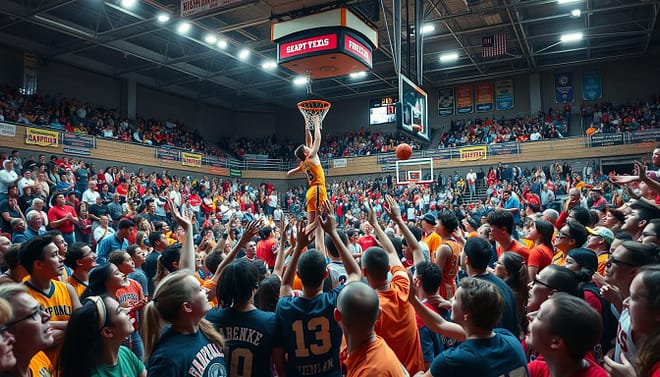
Looking at Texas high school basketball history, we find many memorable games. These games created lasting championship moments for players, coaches, and communities. Below are a few standout examples that embody the elements of a memorable final.
| Year | Teams (Winner in Bold) | Key Moment / Context | Why It’s Memorable |
|---|---|---|---|
| 1999 | Duncanville vs. Aldine | Overtime thriller decided by a single free throw in the final seconds. | Epic back-and-forth battle between two powerhouse programs, showing peak pressure. |
| 2007 | South Oak Cliff vs. Houston Yates | First state championship for the Dallas ISD school in decades, a community triumph. | Transcended sports, representing hope and pride for an entire neighborhood. |
| 2012 | Plano West vs. Garland Lakeview | Heavily favored Plano West upset by a last-second, half-court shot at the buzzer. | The ultimate Cinderella shocker, a moment of pure chaos and joy that defined an underdog’s run. |
| 2021 | Richardson vs. Austin Westlake | National top-10 teams clashing for supremacy, featuring multiple future Division I stars. | A showcase of elite talent where every possession was a critical championship moment. |
These games are more than just wins. They have the underdog story, community hope, and unpredictability. They are the games people talk about years later. They set the standard for all state championships.
Cinderella Stories and Upsets
In Texas high school basketball, the most exciting championship moments often come from unexpected places. Underdogs can surprise everyone, showing that hard work and determination can beat talent. The 1966 Texas Western Miners, known from *Glory Road*, are a perfect example of this.
Their win over Kentucky Wildcats is a lesson in how teamwork can beat talent. Every year in UIL tournament finals, underdogs hope to make history.
Texas high school basketball is full of surprises. In 2018, a team with a solid plan beat a top-ranked team. In 2022, a small school won the state title by beating three bigger teams. These stories show how belief and a good game plan can lead to victory.
What makes a playoff upset special? Several things are key:
- A Singular, Disruptive Strategy: A unique press or slowdown can throw off a favorite team.
- A Cohesive “Us Against the World” Mentality: Underdogs play with unity and freedom, overwhelming teams with high expectations.
- A Star Player Peaking at the Right Time: One amazing player can carry a team to victory.
- Masterful Game Management: Coaches make bold decisions, like switching defenses or making key plays.
These upsets leave a lasting impact. They become legends for schools and communities. They teach that talent is important, but belief, preparation, and focus are what truly matter. These championship moments remind us why we love watching basketball: for the chance that anything can happen in the final game of a tournament final.
Player Performance Under Pressure
In a Texas high school championship game, a player’s legacy is made in a few seconds. The whole community watches, and history waits. This is where athletes show if they can perform under pressure.
The 1966 NCAA final is a key moment in Texas basketball history. The Texas Western Miners faced more than just opponents. They had to break racial barriers in college sports. Players like Bobby Joe Hill made legendary plays under huge pressure.
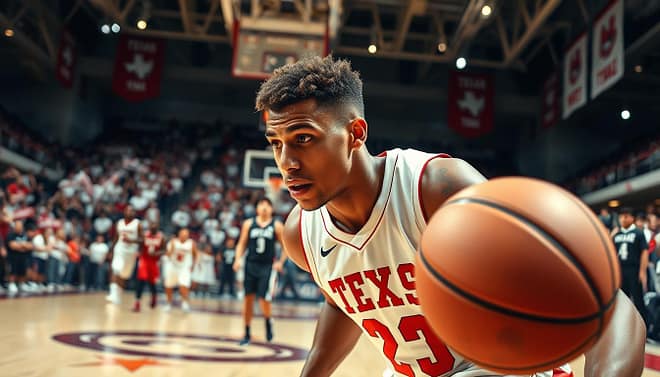
Teammates like David Lattin and Harry Flournoy also faced big challenges. Lattin had to stay aggressive despite foul trouble. Flournoy played with a serious injury. Together, they showed how to handle pressure well.
Today’s high school athletes feel pressure in many ways. Their heart rates go up, and they might get distracted. But, champions see this as a chance to perform better.
Players use pre-performance routines to stay focused. This could be a special warm-up or a mental trick. It helps them stay in the moment and control what they can.
Many Texas high school players have learned to handle pressure well. Imagine a point guard making a game-winning shot. It’s not luck; it’s skill and practice.
Pressure makes athletes better. Those who do well in state championships welcome the challenge. They see the crowd as proof they’re ready. By trusting their training, they create lasting memories.
Coaching Strategies in Championship Games
Coaching in a state final is more than just calling plays. It’s about understanding psychology, being flexible, and believing in your team. Every decision a coach makes in a UIL basketball championship game is under the spotlight. It’s the strategy that often wins championships, not just talent.
Don Haskins’s 1966 Texas Western team is a great example of bold coaching. He started an all-black lineup to use his team’s speed and defense. His “Surviving Practice” method prepared his team for the intense final game. This made them ready for the tournament finals, not just the game itself.
Coaches who win championships adjust their game plan during the game. They look for mismatches and know their opponents’ moves. They switch between defenses to confuse the other team. The best adjustments are made before the opponent does.
Motivating players and using timeouts wisely are key. A well-timed timeout can stop the other team’s momentum. The content of timeouts is just as important. Some coaches give fiery speeches, while others focus on technical corrections. The method must fit the coach and the team’s needs.
Texas high school basketball history shows different coaching styles in the championship game. Each coach brings their own philosophy to the state final.
| Coaching Archetype | Key Philosophy | Strength in Finals | Potential Pitfall |
|---|---|---|---|
| The Disciplinarian | Focuses on systems and execution over individual flair. Prepares teams through rigorous structure. | Teams rarely beat themselves. They stay calm under pressure. | May struggle to adapt against unconventional opponents. |
| The Strategist | Views the game as a chess match. Focuses on matchups, tactical adjustments, and exploiting weaknesses. | Excellent at making in-game corrections. Often wins the “coaching battle” on the sideline. | Overthinking can lead to paralysis. Players may feel like pieces. |
| The Motivator | Believes in the power of emotional energy and belief. Cultivates a strong team culture. | Can inspire legendary performances. Teams often play above their talent level. | If emotion fades or the “underdog” narrative disappears, the team may struggle. |
The single-elimination format of the UIL basketball playoffs is intense. There’s no safety net. This pressure tests a coach’s philosophy like nothing else. The disciplinarian must trust the system, the strategist must choose the right play, and the motivator must find new words.
Coaches like Haskins and Adolph Rupp show different paths to success. Haskins made a historic lineup decision, while Rupp focused on recruiting top talent. These strategies highlight the different ways to win in tournament finals.
The best coaches in Texas high school basketball history combine different approaches. They build disciplined systems, make sharp adjustments, and connect with players. Their legacy is built on a complete strategy, not just one play.
Community Impact of Championship Runs
Championship moments do more than just win games. They shape a town’s identity, for good or bad. A deep playoff run fills trophy cases and more. It unites a town, boosts local businesses, and becomes part of its story.
In Texas basketball history, we see this clearly. The 1966 win in El Paso brought immense pride. The community came together in unity.
But, the film about that game showed a different side. It painted East Texas State University fans in a bad light. This created a stigma for Commerce, showing how a win can lead to conflict.
Today, across Texas, a high school’s run at state championships has big effects. These effects are felt far beyond the game.
| Type of Impact | Positive Example: El Paso’s Unity | Challenging Example: Commerce’s Stigma |
|---|---|---|
| Social Cohesion | Town-wide celebrations and shared identity. The team became a symbol of unity for all. | Misrepresentation in media created division. The community had to defend its true story. |
| Economic Effect | Businesses boom as fans travel and celebrate. School spirit wear sales skyrocket. | Initial attention was high, but the lasting impact was a fictional controversy. |
| Institutional Pride | School spirit and alumni engagement soar. Donations and applications increase. | The institution had to correct the public’s view of its true history and values. |
| Long-term Legacy | The championship becomes a local legend, inspiring future teams. | The legacy includes a lesson in media literacy and community resilience. |
For any town, championship moments are more than basketball. They are about shared memories. Local businesses thrive on game-day crowds. Alumni reconnect with hometown pride.
The legacy of a title run intertwines with a community’s identity for decades. It creates a common reference point for joy and resilience. This shows why high school sports are vital in Texas.
Modern Championship Format and Future
The Texas high school championship games are now a well-oiled machine. The UIL basketball tournament starts with district play and ends at the Alamodome in San Antonio. This change, detailed in a history of the UIL Texas boys state, shows the event’s growth and prestige.
Today’s championships are shaped by many factors. Athlete specialization, changing transfer rules, and instant digital media coverage are key. These changes make the games faster and more visible. The legacy of moments like the 1966 Texas Western NCAA championship shows that innovation and embracing diverse talent are timeless.
The future of UIL basketball will be shaped by athletes who learn from history and prepare for today. Mental toughness from past champions is as important as physical training. The playoff structure, similar to the Texas high school football playoffs, tests teams at every turn.
Looking ahead, the essence of a great Texas high school championship game will stay the same. Community pride, individual brilliance, and strategic coaching will keep defining the season’s end. The next generation of stars will add their own stories to Texas’s rich basketball tradition.