
The Texas sports betting market represents billions in uncaptured revenue. Three NBA franchises operate within its borders. The Dallas Mavericks, Houston Rockets, and San Antonio Spurs command massive fanbases. In all cases, local fans increasingly wager nearby markets when rules restrict Texas wagering. Its scale influences local economies, sponsorships, and policy discussions across the state.
However, these organizations watch their local fans spend money on sports wagering outside their home state. A detailed look at the financial data reveals a massive outward flow of capital. In the state, the NBA actively partners with sportsbook operators. This collaboration reflects evolving attitudes toward regulated gaming and cross-border competition.
Texas teams sit on the sidelines. They watch neighboring states and offshore operators collect the profits. Meanwhile, adjacent markets attract new sponsorships and media deals. The result is a broader regional revenue flow that could be captured by home teams. Policy changes could redirect some of that activity back to home teams.
Moreover, the political environment dictates this reality. Lawmakers in Austin routinely reject gambling expansion. Industry experts project billions of dollars leave the state annually. This money flows into Louisiana, Arkansas, New Mexico, and unregulated offshore accounts. The same trend undermines local revenues and job creation.
Additionally, we will examine the exact mechanisms driving this financial migration within Texas. We will evaluate the different strategies employed by the ownership groups of the Mavericks, Rockets, and Spurs for the state’s budget and residents alike today across the state.
The Legislative Reality In Austin
The Texas Legislature meets every two years. The 2025 session ended without passing any sports betting legislation. House Joint Resolution 134 and House Joint Resolution 137 failed to gain traction. State Senator Carol Alvarado filed bills to introduce destination resort casinos. Lieutenant Governor Dan Patrick blocked these efforts in the Senate. The political opposition remains entrenched.
Anyone analyzing this market must understand how betting law currently works in Texas. Traditional sports betting is completely illegal. Online sportsbooks cannot accept wagers from devices located inside the state. Retail sportsbooks do not exist. Tribal gaming operations face severe restrictions. Texans possess very few legal avenues for sports-related speculation. They rely on Daily Fantasy Sports applications. They utilize federally regulated prediction markets like Kalshi. They play on social sportsbooks operating under sweepstakes laws.
The strict legal framework creates a geographic disadvantage for the state’s NBA franchises. The legal sports betting market in other states generates direct revenue for local teams through sportsbook partnerships. Teams sell naming rights to betting lounges inside their arenas. They integrate live odds into their local television broadcasts. Texas teams cannot monetize these channels. They lose ground in the league’s financial hierarchy.
The Dallas Mavericks And Destination Gaming
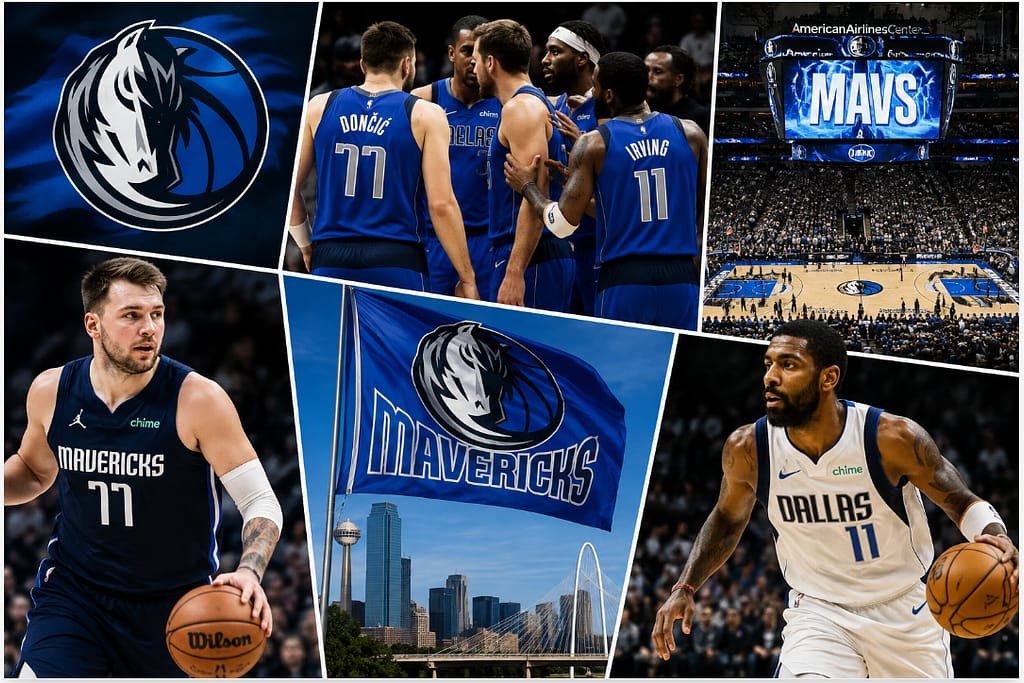
The Dallas Mavericks represent the most aggressive push to change the state’s gambling laws. Miriam Adelson purchased a majority stake in the franchise from Mark Cuban in late 2023. The Adelson family founded the Las Vegas Sands casino empire. The purchase price exceeded $2 billion. Financial analysts immediately recognized the strategic intent behind the acquisition. Las Vegas Sands wants to build destination resort casinos in Texas.
The Adelson family spent millions on political contributions during the 2024 election cycle. They backed business-friendly candidates. They lobbied for the creation of a massive entertainment district in Dallas. The proposed district would feature a new arena, a luxury hotel, and a sprawling casino floor. Sports betting represents a component of this broader vision.
The Mavericks’ fanbase covers a massive geographic footprint in North Texas. This population center sits just hours away from the Oklahoma and Arkansas borders. Oklahoma features tribal casinos. Arkansas offers fully legal retail and mobile sports betting. Bettors in Dallas regularly drive across the state line to place wagers. The Adelson ownership group wants to capture that exact demographic. They possess the financial resources to fund lobbying efforts through the 2027 legislative session.
The Houston Rockets And The Golden Nugget Empire
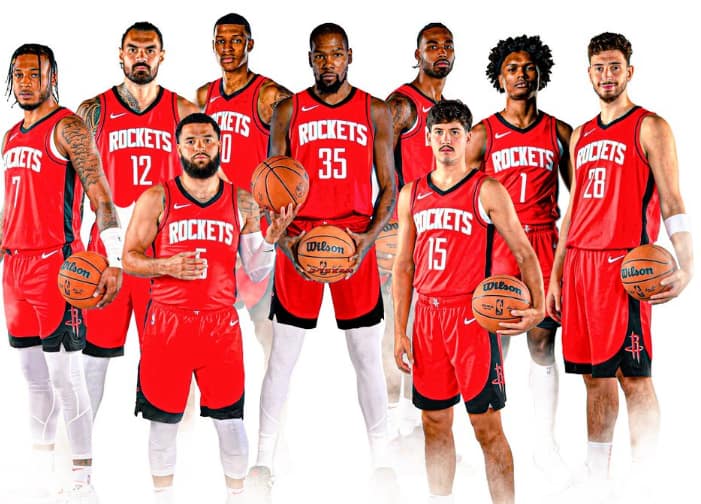
Tilman Fertitta owns the Houston Rockets. He built his fortune in the hospitality and gaming industries. He owns the Golden Nugget casino brand. Fertitta operates casinos in Nevada, New Jersey, and Louisiana. His unique position makes him a central figure in the Texas gambling discussion.
Fertitta already profits from Texans leaving the state to gamble. His Golden Nugget casino in Lake Charles, Louisiana, caters heavily to the Houston market. A constant stream of traffic travels east on Interstate 10. Houston residents cross the Sabine River, place their sports bets, and play table games. Fertitta captures this revenue through his Louisiana properties.
He supports legalizing gambling in Texas. He would build a massive Golden Nugget resort in the Houston area. A local casino would generate higher volume than his Louisiana properties. The Rockets would integrate heavily with the new property. Fans could place bets on their phones from their seats at the Toyota Center.
The current setup creates a divided loyalty for Fertitta’s business empire. He watches his NBA team lose potential partnership revenue. He simultaneously collects massive profits at his Lake Charles casino from his own fanbase. The Houston market bleeds betting handle directly into the state of Louisiana. The Louisiana gaming regulators report massive handle spikes during the NBA playoffs. A significant portion of that money originates from Houston-area bettors.
The San Antonio Spurs And Regional Geography
The San Antonio Spurs operate in a different geographic and demographic reality. San Antonio sits further south. The city does not border a state with legalized sports betting. The closest legal options require extensive travel. The Spurs’ fanbase extends deep into South Texas and toward the Mexican border.
Peter J. Holt leads the Spurs’ ownership group. The organization maintains a quieter political profile regarding gambling expansion. They joined the Texas Sports Betting Alliance. They lent their logo to lobbying efforts. They have not matched the massive financial contributions of the Adelson family.
The Spurs’ betting handle bleeds into different channels. Fans in South Texas rely heavily on offshore sportsbooks. These unregulated websites operate outside of state and federal oversight. They accept cryptocurrency and credit card payments. The money leaves the local economy completely. It flows to servers located in Costa Rica or Antigua.
The team sees a portion of its fanbase utilizing the legal alternatives. Daily Fantasy Sports platforms see heavy usage in the San Antonio area during the NBA season. Prediction markets allow fans to trade contracts on the outcome of Spurs games. These federal workarounds capture a fraction of the demand. The bulk of the money remains in the underground economy.
Measuring The Border Bleed
Geofencing technology provides concrete data on the betting handle leaving Texas. Companies like GeoComply monitor the location of mobile betting devices. They track the number of blocked transactions originating inside Texas. They track the spikes in activity right along the state borders.
The numbers paint a clear picture. Millions of geolocated pings hit the servers from the Texas side of the Louisiana border during the opening weekend of the NBA playoffs. Bettors drive to the border, cross the state line, and open their betting applications. They place their wagers and return home. The exact same behavior occurs on the border with Arkansas.
Industry groups use this data to calculate the lost tax revenue. The American Gaming Association tracks commercial gaming revenue and estimates that Texans wager billions of dollars illegally every year. A 10 percent tax rate on that handle would generate hundreds of millions for the state budget. Lawmakers in neighboring states gladly accept the influx of Texas cash. Louisiana uses the tax revenue from Houston bettors to fund their own state programs.
The Rise Of Federal Prediction Markets
The vacuum created by the state ban led to the rise of alternative platforms. Prediction markets operate under the jurisdiction of the Commodity Futures Trading Commission. Platforms like Kalshi and Polymarket allow users to trade event contracts. Users buy “Yes” or “No” shares on specific outcomes.
A Texas resident cannot legally place a spread bet on the Mavericks using a traditional sportsbook. That same resident can legally buy a contract stating the Mavericks will win the NBA Championship. The mechanics feel similar to the end user. The regulatory framework is completely different.
These platforms capture a growing segment of the Texas market. Young, tech-savvy fans utilize these apps to engage with the NBA season. The teams themselves cannot partner with these platforms in the same way they partner with traditional sportsbooks. The prediction markets do not pay the NBA for official data feeds. They operate outside the league’s established commercial structure.
The teams see zero direct financial benefit from this activity. The fan engagement increases. Viewership numbers rise. The transactional revenue bypasses the local franchises entirely.
Daily Fantasy Sports As A Stopgap
Daily Fantasy Sports represent the longest-running legal alternative in Texas. DraftKings and FanDuel operated DFS contests in the state long before the Supreme Court struck down the federal ban on sports betting. The state law classifies DFS as a game of skill. The platforms operate freely.
Newer platforms introduced player prop style games. Users select over/under projections for individual player statistics. A fan picks Luka Dončić to score over 30 points and Victor Wembanyama to record over 10 rebounds. These combinations closely mirror traditional parlays.
The Texas teams benefit indirectly from this activity. DFS platforms drive massive engagement with the actual games. A fan tracking Wembanyama’s rebounds will watch the entire fourth quarter of a blowout game. The television ratings improve. The local broadcasters command higher advertising rates.
The direct partnership revenue remains elusive. The NBA holds national deals with the major DFS operators. The local teams cannot maximize the relationship. They operate in a legal gray area. The state Attorney General could issue an opinion shutting down the platforms at any moment. The lack of regulatory certainty prevents the teams from fully embracing the DFS market.
The Underground Economy And Offshore Operations
The largest segment of the Texas betting handle flows into the unregulated market. Local bookies operate extensive networks in Dallas, Houston, and San Antonio. They use pay-per-head software to manage their client lists. The software provides professional betting lines. The bookie handles the cash transactions locally.
Offshore websites provide a direct-to-consumer option. Brands located in the Caribbean aggressively target the Texas market. They offer cryptocurrency deposits to bypass banking restrictions. They advertise heavily on unregulated streaming websites.
This environment creates massive risk for the consumer. Offshore websites routinely refuse to pay winning bets. They vanish without warning. The bettor has no legal recourse. The state government collects zero tax revenue. The NBA teams receive zero compensation for the use of their intellectual property.
The size of this underground market dwarfs the legal alternatives. The demand for sports betting in Texas is staggering. The state boasts a massive population, immense wealth, and a deep cultural connection to sports. The refusal to regulate the market pushes the activity into the shadows.
The Political Calculus For 2027
The next legislative session begins in January 2027. The industry groups will return to Austin with a new strategy. The arguments remain the same. The state loses money. The activity happens anyway. The consumers need protection.
The political opposition will return. Conservative lawmakers view gambling as a moral failing. They cite concerns about addiction and crime. They point to the state’s budget surplus. Texas does not need the tax revenue. The financial argument fails to persuade lawmakers sitting on billions in reserve funds.
The Mavericks’ ownership group holds the key to the next session. Miriam Adelson’s deep pockets will fund massive lobbying efforts. The focus will shift heavily toward the destination resort casino model. Sports betting will be attached as a secondary component. The promise of thousands of construction jobs and massive tourism revenue carries more political weight than a mobile betting application.
Tilman Fertitta will push for a framework protecting his existing empire. He will want the ability to build a casino in Houston. The Spurs will support the efforts quietly. They will rely on the heavy lifting of the Dallas and Houston billionaires.
The Financial Projections
Analysts run constant models on the potential size of a legal Texas market. The state possesses 30 million residents. The betting handle would instantly rival New York. The tax revenue would approach a billion dollars annually.
The NBA teams would see an immediate financial windfall. The Mavericks, Rockets, and Spurs would command massive partnership fees. Sportsbook operators would bid aggressively for the rights to open retail lounges inside the American Airlines Center, the Toyota Center, and the Frost Bank Center.
The broadcast networks would integrate live odds into every game. The teams would sell new inventory to betting companies. The valuation of all three franchises would jump significantly. The mere possibility of legalization drives current investment strategies.
Adapting To The Current Reality
The three Texas NBA franchises must operate within the current limitations. They focus on alternative revenue streams. They build massive real estate developments around their arenas. They invest heavily in international marketing. The Mavericks leverage Luka Dončić to capture the European market. The Spurs leverage Victor Wembanyama to capture the French market.
They use these international strategies to offset the lack of local betting revenue. A sponsorship deal with a European company replaces the missing sportsbook partnership. The teams adapt to survive in the league’s financial ecosystem.
The situation requires constant innovation. The front offices monitor the legislative developments in Austin. They prepare contingency plans. They design their new arena renovations to include space for potential future betting lounges. They stay ready for the day the laws finally change.
Analyzing The Split Market Dynamics
The betting handle generated by Texas residents splinters into a dozen different directions. A fan in Dallas drives to Arkansas to place a large Super Bowl wager. That same fan uses a DFS app for regular-season NBA games. They use an offshore account for live betting during the playoffs.
This fragmentation makes it incredibly difficult to track the exact numbers. The bordering states report the geofencing data. The DFS operators report their internal metrics. The offshore market remains completely opaque.
The total volume is undeniably massive. The NBA teams watch this money circulate around them. They see their fans engaging heavily with the product. They remain entirely cut off from the primary monetization engine of modern sports.
| Texas NBA Franchise | Ownership Strategy | Geographic Betting Flow |
| Dallas Mavericks | Aggressive lobbying, Casino focus | Arkansas, Oklahoma, Offshore |
| Houston Rockets | Owner has existing Casino empire | Louisiana border bleed |
| San Antonio Spurs | Quiet support, Alliance member | Offshore, Mexico proximity |
The Dallas Mavericks, Houston Rockets, and San Antonio Spurs exist in a unique holding pattern. They play in one of the best sports markets on the planet. They boast massive fanbases. They feature generational superstar talent. They simply cannot participate in the sports betting gold rush. The money flows past them. It heads east to Louisiana. It heads north to Oklahoma and Arkansas. It heads south to Costa Rica. The teams wait for the political winds to change. They wait for the 2027 legislative session. The data confirms the ongoing financial migration. The legislative gridlock forces consumers to find workarounds. The Texas sports betting market operates entirely in the shadows or across state lines. The three NBA franchises continue to build their rosters and compete for championships. They do so with one hand tied behind their backs financially. The resolution to this standoff will shape the financial future of the NBA in Texas for decades.