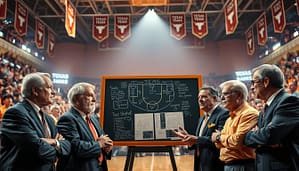
Legendary Locker Rooms: Where Texas Football Champions Are Made
In Texas football, locker rooms are sacred spaces. They are far more than places to strap on helmets or review play sheets—they are where belief is built, leadership is tested, and championships are born. Long before kickoff and long after the final whistle, the locker room serves as the emotional and strategic heartbeat of a team. It is where history is written in chalk dust, sweat, and words that players remember for the rest of their lives.
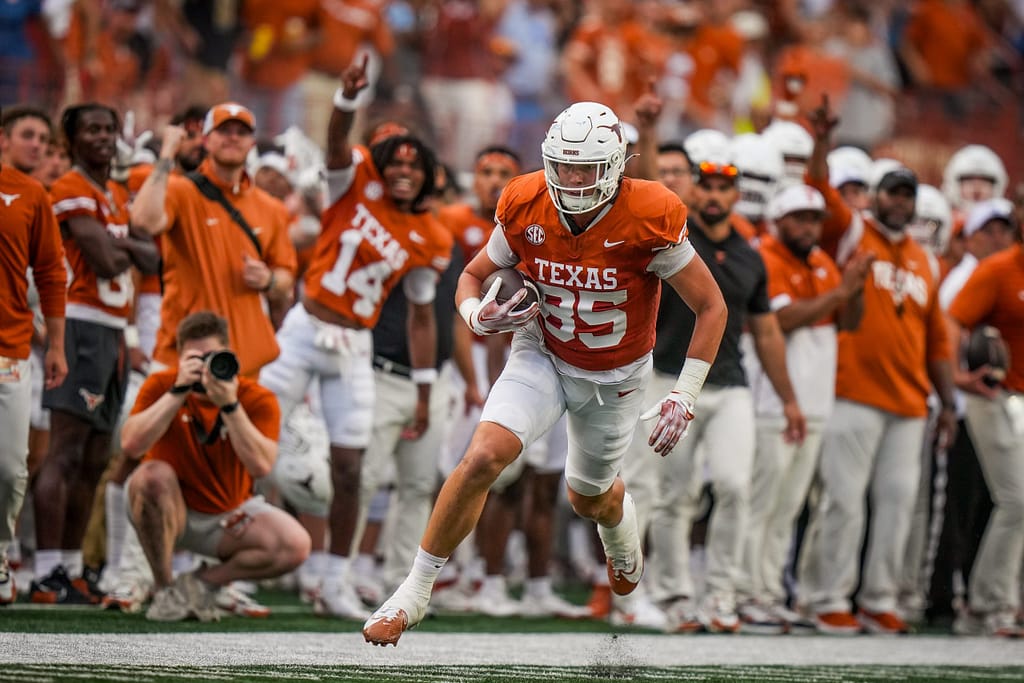
Across decades of Texas high school football, legendary locker rooms have produced iconic moments that define the sport’s culture. Trend-driven strategies, unforgettable speeches, and archival anecdotes have become woven into Texas football folklore, shaping generations of athletes and coaches alike.
Why Locker Rooms Matter in Texas Football
Texas football is defined by intensity, preparation, and pride. Locker rooms are where those qualities are sharpened. In these enclosed spaces, distractions fade and focus narrows. Coaches establish expectations, players hold one another accountable, and teams mentally prepare for the challenges ahead.
Unlike practice fields or stadiums, locker rooms allow for vulnerability. They are where doubts are addressed, confidence is reinforced, and collective identity is forged. The greatest Texas football programs understand that championships are won as much mentally as they are physically.
Leadership That Shapes Champions
Legendary Texas football coaches understand the power of the locker room. Figures like Scott Surratt and Randy Allen are known not only for their on-field success, but for their ability to communicate purpose and belief behind closed doors.
These coaches don’t rely solely on volume or theatrics. Instead, their leadership is rooted in clarity, trust, and authenticity. Their locker room messages emphasize preparation, resilience, and shared responsibility—qualities that consistently translate to success on the field.
Over time, these leadership styles have become models for coaching across the state, reinforcing why Texas football continues to produce elite programs year after year.
Defining Speeches and Playoff Turning Points
Some of the most memorable moments in Texas football history didn’t happen under stadium lights—they happened in locker rooms moments before kickoff or at halftime when everything hung in the balance.
The 2010 state semifinals against Brownwood stand as a defining example. Facing pressure, adversity, and fatigue, the locker room became a place of recalibration. Coaches and players re-centered around effort, execution, and belief. What followed wasn’t just a tactical adjustment, but a renewed sense of purpose that carried onto the field.
Similarly, the 2017 Class 5A Division I State Championship showcased how locker room leadership can elevate performance. Calm, focused messaging reinforced confidence and unity, ensuring that preparation—not pressure—defined the moment.
These stories endure because they capture the unseen forces behind championship performances.
Rituals That Build Identity
Locker room rituals are a hallmark of Texas football culture. From pregame routines to postgame traditions, these rituals reinforce team identity and continuity. Whether it’s music playlists, shared prayers, or symbolic gestures, rituals create emotional anchors that players associate with purpose and pride.
Over time, these traditions become part of a program’s DNA. Alumni remember them decades later, and new players inherit them as symbols of responsibility and belonging. In Texas football, rituals are not distractions—they are reinforcements of culture.
Strategy Meets Motivation
While motivation is vital, locker rooms are also centers of strategy. Trend-driven adjustments, defensive tweaks, and situational planning often occur in high-pressure locker room moments. Great coaches balance emotion with clarity, ensuring that inspiration doesn’t override execution.
Texas football’s best locker room leaders understand timing. They know when to simplify, when to challenge, and when to reassure. This balance between motivation and instruction is what separates good teams from championship teams.
Archival Anecdotes and Texas Football Lore
Texas football is rich with stories passed down through generations—locker room anecdotes that capture the essence of the sport. These stories aren’t always about wins. Many focus on resilience after loss, unity during adversity, or quiet leadership in critical moments.
These archival anecdotes form the backbone of Texas football lore. They are retold in coaching clinics, team meetings, and community gatherings, preserving lessons that remain relevant regardless of era or rule changes.
How Locker Room Culture Shapes Modern Texas Football
Today’s Texas football landscape includes advanced analytics, social media exposure, and increased recruiting pressures. Yet the locker room remains unchanged in its importance. Modern coaches still rely on leadership, communication, and culture to manage expectations and maintain focus.
The lessons learned from historic locker rooms continue to guide today’s programs. New generations of athletes are taught that championships are earned through trust, preparation, and accountability—values instilled long before the opening kickoff.
More Than Wins: Defining True Champions
What makes Texas football locker rooms legendary is not just the trophies that follow, but the people they shape. Championship teams are remembered for how they responded to adversity, how they supported one another, and how they carried themselves beyond the field.
These locker room moments remind us that football is ultimately about connection—between teammates, coaches, and communities. The stories endure because they reflect shared values that transcend generations.
Why These Stories Still Matter
The legendary locker rooms of Texas football continue to inspire because they reveal the unseen foundation of success. They show that championships are built through leadership, preparation, and belief long before the scoreboard tells the story.
As new athletes enter Texas football programs, they inherit more than jerseys and playbooks—they inherit stories. And in those stories lie the blueprint for what it truly means to be a champion.