
In basketball, talent alone rarely defines success. Behind every great player is often a great mentor—someone who guides, challenges, and shapes their trajectory both on and off the court. Coaches serve not just as strategists, but as architects of excellence, creating environments where players can grow, adapt, and realize their potential. In Texas basketball, this mentorship culture has been instrumental in developing elite athletes and sustaining the sport’s legacy.
The Role of Mentorship in Basketball
Mentorship in basketball goes beyond X’s and O’s. It encompasses teaching discipline, fostering resilience, and nurturing leadership qualities. Players who have strong mentors often develop a deeper understanding of the game, sharper decision-making skills, and an ability to thrive under pressure.
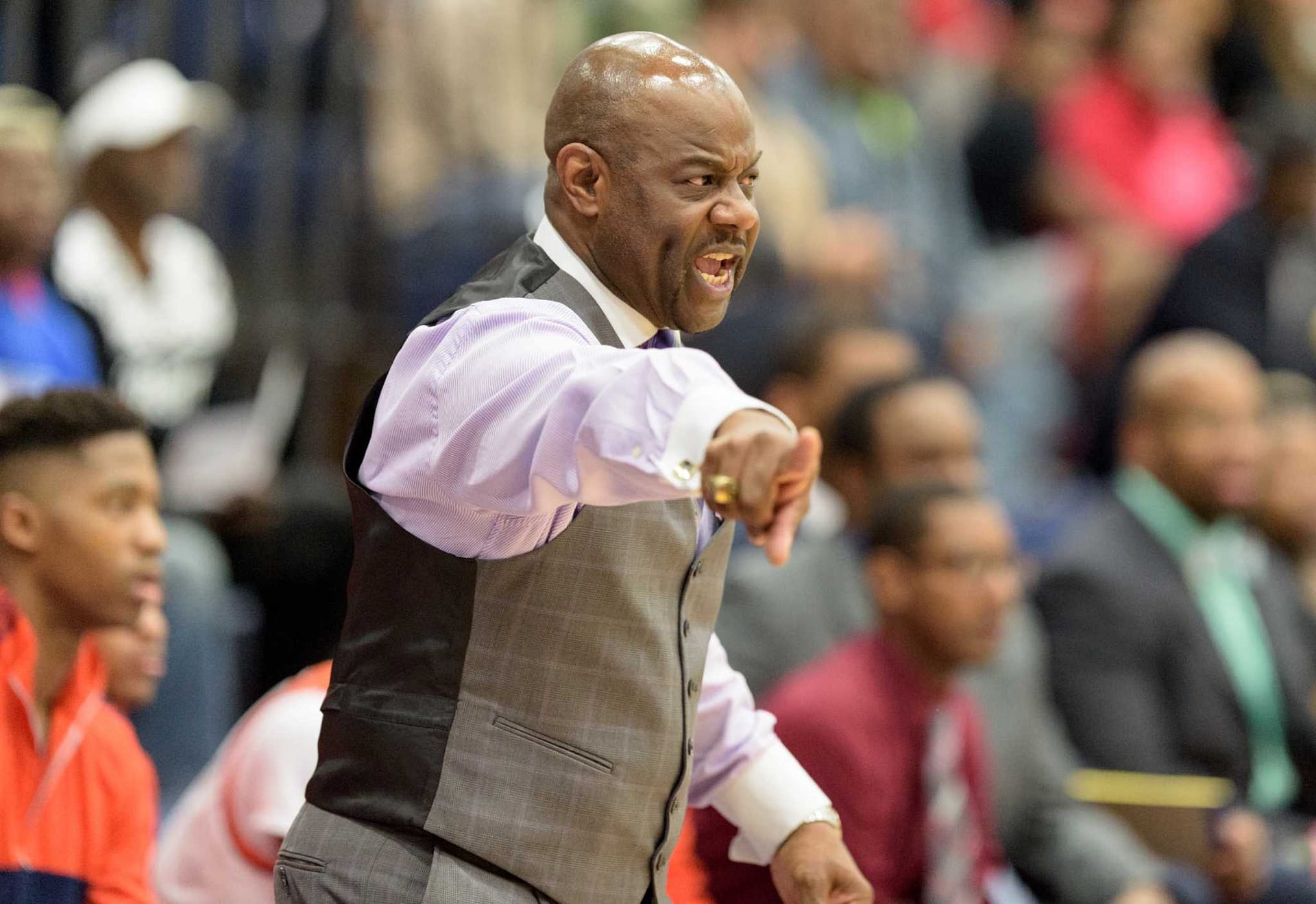
Hall of Fame coaches, like Ronnie Courtney, exemplify this mentorship philosophy. Courtney’s approach emphasizes personalized attention, understanding each player’s strengths and weaknesses, and fostering both athletic and personal growth. His mentees often credit their professional achievements and life skills to his guidance, demonstrating that coaching excellence is measured as much by character-building as by wins.
Trend-Driven Coaching and Personalized Guidance
The modern basketball landscape blends time-tested principles with innovative strategies. Trend-driven coaching, which incorporates analytics, sports psychology, and performance science, complements traditional mentorship methods. Programs like American University men’s basketball and Texas A&M basketball illustrate how combining strategy with mentorship can elevate both players and teams.
Personalized mentorship ensures that athletes receive targeted guidance tailored to their skill level, personality, and career goals. Coaches track development over time, adjusting their methods to maximize performance and build confidence. The integration of advanced techniques with personalized mentoring has become a defining feature of elite basketball programs.
Leadership Lessons in Sports
The effectiveness of mentorship in basketball is closely tied to leadership. Strong leaders inspire trust, set high expectations, and model behaviors that players can emulate. Studies on athletic leadership, such as David A. Paitson’s 2016 research, highlight how leadership traits directly impact team cohesion, motivation, and long-term performance.
Traits commonly found in successful basketball mentors include:
-
Empathy: Understanding players’ needs and challenges
-
Adaptability: Adjusting strategies based on context and player development
-
Vision: Creating a roadmap for both individual and team success
-
Consistency: Maintaining standards and accountability
These qualities are visible in Texas basketball programs, where coaches invest in building relationships as much as game plans. The result is a culture where mentorship drives excellence, and players are equipped to succeed beyond the court.
Texas Basketball: A Culture of Mentorship
Texas basketball has a proud tradition of mentorship, spanning high school, college, and professional levels. Coaches in the state have historically emphasized personal development alongside athletic achievement.
Hall of Fame figures like Ronnie Courtney are joined by countless high school and college mentors who have made lasting impacts. For example, Texas programs focus on:
-
Teaching players how to handle pressure in crucial games
-
Encouraging leadership and accountability among teammates
-
Guiding athletes through academic and career challenges
These mentorship practices ensure that athletes leave programs not only as better players but as well-rounded individuals prepared for life beyond basketball.
The Ripple Effect of Mentorship
Mentorship in basketball creates a ripple effect. Players who experience strong guidance often become mentors themselves, passing down knowledge, culture, and values to younger generations. This cycle ensures that excellence is sustainable and evolves with the sport.
For instance, many of Courtney’s former players have transitioned into coaching, leadership, or community roles, demonstrating the long-term impact of mentorship. By fostering both skill and character, mentors shape the future of basketball at every level.
Resources for Aspiring Coaches and Players
For those looking to explore mentorship and leadership in basketball, publications like Texas Basketball Magazine are invaluable. The magazine provides deep dives into coaching philosophies, program histories, and player development strategies. By studying these examples, coaches and players alike can learn how mentorship practices are applied in real-world settings.
Key takeaways from these resources include:
-
Mentorship is as important as tactical instruction.
-
Coaching success depends on adaptability and understanding each player.
-
Strong leadership traits correlate with team and player development.
These lessons underscore that the foundations of basketball excellence are built off the court as much as on it.
Mentorship as a Cornerstone of Success
Reflecting on basketball legends, one constant emerges: their success is often the product of guidance from exceptional mentors. Whether it’s high-pressure decisions in NCAA tournaments, the development of a young athlete into a professional player, or instilling lifelong skills, mentorship shapes outcomes in ways that talent alone cannot.
In Texas basketball, this culture of mentorship continues to define programs at every level. From Hall of Fame coaches to local high school legends, the emphasis on guidance, leadership, and personal growth remains central to building elite players and teams.
Conclusion
The architects of basketball excellence are not just the players whose names appear in record books—they are the mentors behind them. Coaches like Ronnie Courtney, along with countless others in Texas basketball, exemplify the power of guidance, teaching, and leadership. Their impact extends beyond wins and losses, shaping careers, lives, and the very culture of the sport.
As basketball continues to evolve, the principles of mentorship—personalized attention, leadership development, and strategic guidance—remain timeless. For aspiring players and coaches, studying these mentorship traditions offers a roadmap for achieving excellence, both on and off the court.
Texas basketball proves that talent may spark a career, but mentorship sustains it.