
The Art of Clutch Coaching: A Legacy of Big-Game Decisions

In basketball, championships are often decided not by talent alone, but by moments—seconds on the clock, one possession, one decision. This is where clutch coaching separates the great from the good. Across basketball history, coaches renowned for their composure under pressure—figures like Gregg Popovich—have demonstrated how a single timeout, substitution, or strategic adjustment can change the course of a game.
Texas basketball has its own rich tradition of clutch coaching. From pivotal University of Texas men’s basketball decisions to legendary late-game adjustments in women’s hoops under Jody Conradt, the Longhorns’ history is filled with moments where preparation, instinct, and courage converged. These decisions didn’t just win games—they shaped legacies.
What Defines Clutch Coaching in Basketball
Clutch coaching is not about theatrics. It is about clarity under pressure. In the final minutes of a close game, coaches must process information instantly: matchups, foul trouble, momentum, and psychology. The best decisions are often subtle—changing defensive coverage, slowing tempo, or trusting the right player at the right moment.
In Texas basketball, clutch coaching has consistently emphasized:
-
Defensive discipline in late-game situations
-
Clock and pace control
-
Trust in preparation over improvisation
These principles have guided Longhorns teams through some of the most consequential moments in program history.
Big Decisions in Texas Men’s Basketball History
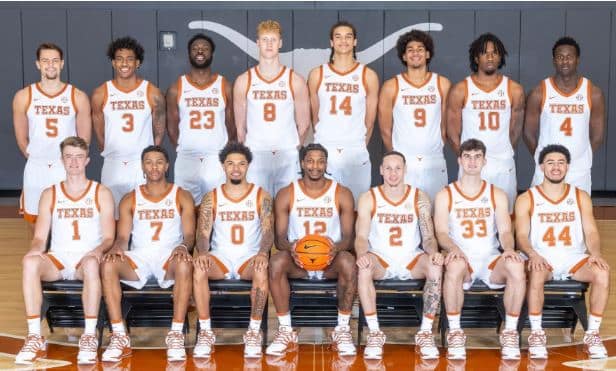
The University of Texas men’s basketball program has faced countless high-pressure moments in conference play and the NCAA Tournament. Throughout its history, pivotal coaching decisions—whether adjusting defensive schemes or managing rotations—have defined seasons.
Late-game choices such as when to press, when to protect the paint, or when to let players create freely have repeatedly shaped outcomes. Texas coaches have often leaned into disciplined execution rather than risky heroics, a philosophy rooted in preparation and trust.
These decisions contributed to Texas basketball’s reputation as a program capable of competing on the national stage, even when margins were razor-thin.
Jody Conradt and the Mastery of Late-Game Control
No discussion of clutch coaching in Texas basketball is complete without Jody Conradt. Her ability to manage high-stakes moments set a standard not only for Texas women’s basketball, but for the sport nationally.
One of the most cited examples came during the 1990 Elite Eight, where Conradt’s timeout usage disrupted opponent rhythm and reset defensive intensity. These moments were not reactive—they were calculated. Her decisions forced opponents out of their comfort zones, shifted momentum, and often changed the trajectory of the game within minutes.
Observers at the time even noted how quickly these adjustments influenced expectations and outcomes, underscoring the tangible impact of elite in-game coaching.
The 1986 Texas Women’s Team: A Case Study in Clutch Coaching
The 1986 Texas women’s basketball team, led by Conradt, remains one of the clearest examples of clutch coaching at its highest level. That undefeated national championship season was defined by composure in close games.
Rather than pushing tempo late, Conradt emphasized:
-
Defensive pressure without fouling
-
Controlled offensive possessions
-
Strategic timeout placement
By dictating pace and forcing opponents to execute perfectly, Texas consistently gained the upper hand in late-game situations. These choices reflected a deep understanding of risk management—knowing when to be aggressive and when to be patient.
The result was not just victories, but dominance in moments where championships are truly won.
Why Defense Is Central to Clutch Coaching
One recurring theme in Texas basketball’s biggest moments is defense. While offense grabs headlines, defensive execution often determines late-game success. Clutch coaches understand that defensive stops provide control when emotions run high.
Texas coaches historically prioritized:
-
Switching schemes to confuse opponents
-
Protecting the paint in final possessions
-
Forcing low-percentage shots
These defensive decisions reflect an understanding that consistency under pressure often outweighs creativity.
Psychology and Trust in Big Moments
Clutch coaching is as much psychological as tactical. Players must believe in the plan, especially when the margin for error disappears. Texas basketball’s most successful late-game moments came from coaches who trusted their players—and earned that trust through preparation.
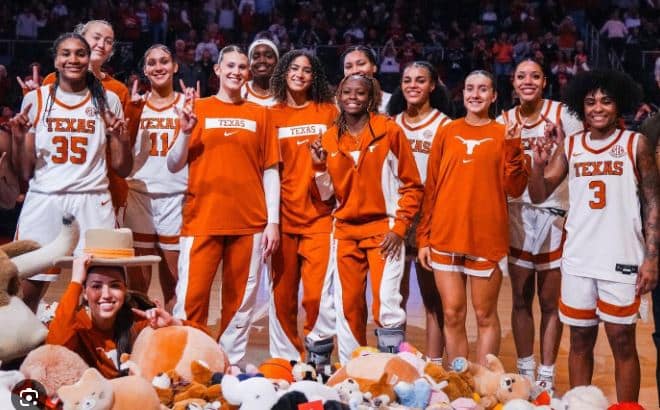
Timeout huddles were not about panic, but reassurance. Coaches reinforced habits practiced all season, allowing players to perform instinctively rather than overthink.
This trust-based approach explains why Texas teams have often appeared calm in moments when others unraveled.
Clutch Coaching and Legacy Building
Big-game decisions linger in memory long after box scores fade. They become part of a program’s identity. In Texas basketball, clutch coaching moments have shaped how teams are remembered—not just as winners, but as composed competitors.
These moments also influence future generations. Young coaches study them. Players internalize them. They become teaching tools passed down through film sessions, clinics, and storytelling.
Preserving the History of Big Decisions
Publications like Texas Basketball Magazine play an important role in documenting these pivotal moments. By analyzing in-game decisions, tournament runs, and coaching philosophies, they preserve the strategic history of Texas basketball.
These stories provide context for today’s teams and remind fans that championships are often won long before the final shot—through preparation, leadership, and decision-making.
Why Clutch Coaching Still Matters Today
In an era of analytics, instant replay, and constant scrutiny, clutch coaching remains irreplaceable. Data can inform decisions, but instinct and experience guide execution. Texas basketball’s history proves that when pressure peaks, great coaching still defines outcomes.
From Jody Conradt’s masterful timeouts to pivotal decisions in Texas men’s basketball history, the art of clutch coaching continues to shape the Longhorns’ legacy.