
Texas men’s basketball has long stood at the crossroads of tradition and innovation. While the state is often celebrated for its football dominance, basketball in Texas has quietly developed a rich and influential identity of its own. From early defensive systems to modern analytics-driven offenses, coaching strategies have been the backbone of Texas basketball’s evolution at both the high school and collegiate levels.
Programs such as the University of Texas and the University of Houston, particularly under head coach Kelvin Sampson, illustrate how tactical innovation and cultural discipline can elevate teams into national relevance. Texas basketball is not defined by one era or style—it is a living archive of philosophies, adjustments, and traditions that continue to shape the game today.
Early Foundations of Texas Basketball Strategy
In the early decades of Texas basketball, success relied heavily on structure and discipline. Limited recruiting reach and resources meant that coaches had to maximize player development and tactical efficiency. Defense-first philosophies became common, emphasizing effort, positioning, and communication over raw athleticism.
Historic strategies such as full-court pressure, early zone defenses, and motion offenses helped Texas teams compete against more established basketball regions. These systems didn’t just win games—they created a coaching identity rooted in preparation and adaptability.
As Texas basketball programs matured, these early tactical choices became part of the sport’s archival history, influencing generations of coaches who valued teaching the game as much as winning it.
The Rise of Defensive Identity in Texas Hoops
Defense has long been a defining characteristic of Texas basketball. One of the most influential concepts adopted by Texas coaches is the Pack Line defense, a system designed to limit dribble penetration, protect the paint, and force low-percentage shots.
By prioritizing help defense and positioning, the Pack Line made teams competitive even without elite size or athleticism. Texas programs embraced this approach because it aligned with their broader coaching values: discipline, teamwork, and effort.
Under coaches like Kelvin Sampson, defensive intensity became a cultural expectation rather than a tactical choice. Houston’s relentless pressure, rebounding dominance, and physical style reflect a defensive mindset deeply ingrained in Texas basketball philosophy.
Kelvin Sampson and Modern Texas Basketball Excellence
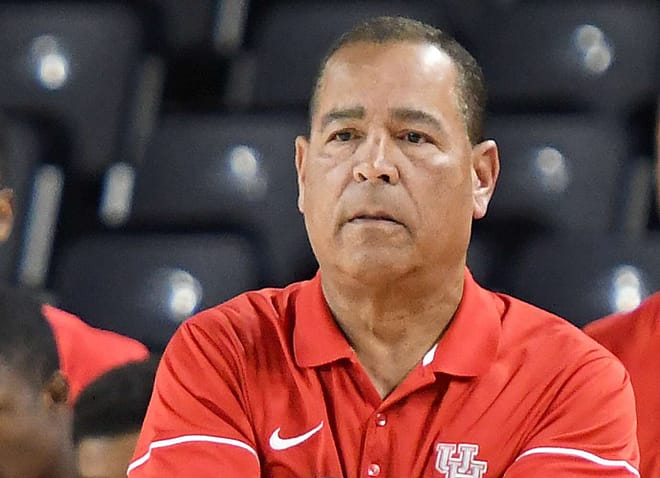
Kelvin Sampson’s success at the University of Houston represents a modern peak in Texas men’s basketball coaching. His teams are known for toughness, accountability, and defensive execution—traits that echo decades of Texas basketball tradition.
Sampson’s approach blends old-school discipline with modern efficiency. Practices are demanding, roles are clearly defined, and effort is non-negotiable. This philosophy has transformed Houston into a national contender while reinforcing the importance of culture over flash.
The success of Sampson’s program demonstrates that Texas basketball thrives when tactical clarity and cultural consistency work hand in hand.
Offensive Evolution and Adaptation

While defense has often taken center stage, offensive strategy in Texas basketball has evolved dramatically. Early reliance on set plays and post-oriented scoring has given way to spacing, pace, and perimeter shooting.
Modern Texas offenses now emphasize:
-
Ball movement and spacing
-
Read-and-react decision-making
-
Three-point efficiency
-
Transition scoring
Analytics have further shaped offensive choices, helping coaches identify shot quality and lineup efficiency. These changes have allowed Texas programs to stay competitive in a faster, more dynamic college basketball landscape.
Coaching Philosophy: Teaching the Game
One of the most influential ideas shaping Texas basketball coaching today is the philosophy outlined in “Every Moment Matters.” This approach emphasizes intentional teaching, player engagement, and creating environments where learning never stops.
Rather than focusing solely on outcomes, Texas coaches increasingly prioritize:
-
Player development
-
Mental preparation
-
Leadership training
-
Accountability
This philosophy reflects a broader shift in coaching—from authoritarian instruction to collaborative learning. It has proven especially valuable in Texas, where programs must consistently integrate new players and adapt to changing rosters.
The Impact of NIL and the Transfer Portal
The modern era of college basketball has brought unprecedented change through Name, Image, and Likeness (NIL) opportunities and expanded transfer rules. Texas basketball programs, with strong brands and passionate fan bases, are uniquely positioned to benefit—but only if they adapt.
Coaches must now balance:
-
Roster continuity
-
Player retention
-
Recruiting strategy
-
Culture management
Tactical systems must be flexible enough to accommodate roster turnover while maintaining identity. Programs that rely on clear defensive principles and adaptable offensive frameworks—hallmarks of Texas basketball—are better equipped to navigate this new landscape.
Why Strategy Defines Texas Basketball’s Identity
What makes Texas basketball compelling is not just talent, but intentional design. From defensive presses to Pack Line principles, from structured practices to modern analytics, strategy has always been central to the sport’s growth in Texas.
These tactics form a bridge between past and present, preserving tradition while allowing innovation. They also reinforce why coaching excellence remains the most critical factor in sustained success.
Preserving the Story of Texas Basketball
Publications like Texas Basketball Magazine play a vital role in documenting the strategies, personalities, and cultural forces that define the sport. By capturing coaching philosophies, historic systems, and program milestones, the magazine ensures that Texas basketball’s evolution is both remembered and understood.
These stories highlight not just what happened, but why it mattered—connecting today’s teams to the tactical traditions that built the game.
The Future of Texas Hoops
As basketball continues to evolve, Texas programs will remain competitive by doing what they’ve always done best: teaching the game, defending with purpose, and adapting strategically. The combination of tradition and innovation ensures that Texas basketball will continue to influence the national conversation.
From packed arenas to practice gyms, the tactics and traditions of Texas basketball remain alive—shaping players, coaches, and the future of the sport.