
In a Massachusetts gym in 1891, Dr. James Naismith hung up peach baskets. He wanted to create a lively indoor game. This act is a key part of basketball history.
The game spread quickly. The YMCA and forward-thinking teachers became its supporters. They brought the game’s rules and spirit to gyms across the country, including Texas. It was a new chapter in early athletics.
In Texas, the game’s arrival was a quiet but big change. It brought a structured, indoor team sport to the state. This early start sparked a lasting passion. It set the stage for Texas to become a major player in the future.
Early Rules and Equipment
The first Texas high school basketball players faced many challenges. They had to get balls from peach baskets and play without dribbling. The game, based on Dr. James Naismith’s 13 rules from 1891, was far from today’s fast-paced game.
Naismith’s rules focused on passing, sportsmanship, and skill. They didn’t emphasize strength. The game was about teamwork and smart ball movement. Players could only move the ball by passing it.
The equipment was basic. The first “hoops” were peach baskets nailed to balconies. After each score, someone had to climb a ladder to get the ball. The game ball was a soccer ball, not a basketball.
This setup made the game stop-and-start. Each score meant a pause. It required patience and strategy from the players. The challenges were part of the game’s charm.
When basketball came to Texas schools, this version was adopted. Coaches and athletes used Naismith’s rules creatively. They made baskets from wooden crates and played in school halls.
Today’s gear is much different:
- Then: Peach basket, soccer ball, manual retrieval.
- Now: Breakaway rims, synthetic basketballs, instant reset.
This early period was key for school sports development. It turned a simple idea into a structured activity. The focus on rules and fair play set the stage for competition. It taught students about teamwork and structure in sports.
Knowing these early days helps us appreciate the sport’s growth. The simple equipment and basic rules drew in the first players. They built a foundation for the complex Texas sports history that followed. The game’s core—passing, skill, and sportsmanship—was set from the start.
First Organized High School Games
The start of competitive high school basketball in Texas wasn’t about inventing the game. It was about the first official games. These early matches turned basketball from a gym class activity into a serious school sport.
Schools like San Antonio Academy and Austin High School led the way. They faced big challenges. Finding a neutral place, officials, and agreeing on rules were huge tasks.
The first games were simple, with low scores showing the game’s defensive focus and players’ growing skills. But their impact was huge. Each game was a test, showing if basketball could be a sport for fans in Texas.
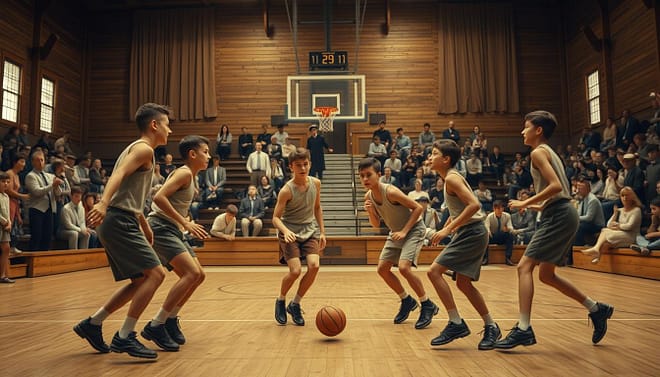
People were curious and excited. Local papers wrote about the games, highlighting the speed and strategy of early athletics. These games became community events, attracting students, families, and leaders.
The effort to organize these games set the stage for the future. They created rules for scheduling, officiating, and scoring. This marked a big change in Texas’s basketball history.
These first games showed that high school basketball could attract fans and build school pride. They sparked a demand for more games and a formal competition structure. This led to statewide championships, like those in the evolution of the UIL state title. The pioneers who started it all created a lasting tradition in Texas sports.
Geographic Spread Across Texas
Basketball spread across Texas like a wave of pioneers. It became a key part of Texas sports history. It moved from a few gyms to a major part of school sports development statewide.
Big cities like Houston, Dallas, and San Antonio were the first to embrace basketball. The YMCA was key in spreading the game. From these cities, basketball spread to more areas.
Several key factors helped basketball grow:
- Mobile Teacher-Coaches: Teachers who learned basketball took it to new schools. They were the game’s missionaries.
- Inter-School Competitions: Games and tournaments sparked interest in new areas. Seeing the game in action made people want to play.
- Athletic Associations: Early groups helped standardize rules and schedules. This gave schools a way to play basketball.
The spread was relentless but faced many challenges. Limited facilities were a big problem. Many places lacked proper gyms, leading to games in outdoor spaces.
Extensive travel was another big challenge. Poor roads and limited transport made games hard to arrange. But the game’s appeal kept it growing.
This expansion was vital. It made basketball a Texas-wide experience. It reached small towns, creating a deep passion for the game. This period was key in basketball’s growth and its place in Texas sports history.
Integration and Equality in Early Basketball
Basketball was one of the first sports where students from different races and genders could come together in Texas. This time in basketball history was more about breaking social barriers than winning games. The court was a rare place where talent and teamwork could overcome the strict rules of the time.
In the early 20th century, Texas was very segregated. African American and Hispanic students went to different schools. But, these schools were proud of their early athletics and formed their own teams and leagues.
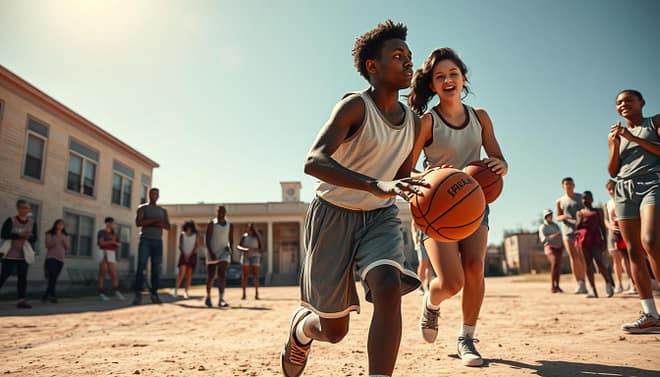
By the 1910s, organized games between African American high schools in cities like Houston and Dallas started. In South Texas, basketball was a hit in mostly Hispanic communities. These games created local heroes and showed everyone’s love for competitive sports.
Girls’ basketball programs also began in Texas high schools by the 1910s. The rules were based on women’s standards set by Senda Berenson Abbott. Her rules, like dividing the court and limiting contact, were used to fit women’s early athletics.
This time was marked by separate developments. Key moments include:
- Formation of Separate Leagues: African American and Hispanic schools had their own leagues, showing excellence in their communities.
- Adoption of Women’s Rules: Texas schools started using the adapted rules for girls’ basketball, making it official in schools.
- The Court as a Unifying Symbol: Despite segregation, the game’s basic play was the same everywhere. This shared understanding helped pave the way for future integration.
These separate efforts were not true integration. But, they were a big step. By doing well on their own courts, these athletes and teams made strong cases for being included. They showed their skills, passion, and right to be part of Texas’s sports scene.
Knowing this complex chapter is key to understanding Texas’s basketball history. The drive for competition and excellence on the court started long before segregation ended. The persistence of these early athletes and coaches from all backgrounds helped build the integrated, powerful sport Texas loves today.
Evolution of Playing Styles
Rule changes from the national level sparked change, but local conditions and coaching philosophies shaped early Texas basketball. A unique identity began to form as the game evolved. This shift from simple passing to complex strategy is a key part of Texas sports history.
Regional Rivalries: Speed vs. Strength
The state’s vast geography led to clear stylistic divides. In the open spaces of the Panhandle and West Texas, a run-and-gun style often prevailed. Teams focused on fast breaks and conditioning to cover large courts.
In more densely populated areas like the Gulf Coast, play was often more physical and deliberate. Teams used strength in the post and methodical half-court sets. This regional competition pushed the overall school sports development forward.
Major innovations fundamentally altered strategy. The legalization of the dribble transformed players from stationary passers into dynamic threats. It unlocked one-on-one creativity and faster transitions.
The introduction of the backboard was equally revolutionary. It turned wild shots into calculated bank shots. This new tool gave structure to offensive plays and demanded new defensive schemes from coaches.
The Birth of a Texas Identity
By blending national rules with local grit, a hybrid “Texas style” emerged. It often combined physical play with transitional speed. Coaches became strategists, teaching players to leverage both strength and agility.
This period marked a shift from pure athleticism to tactical understanding. The game’s growing sophistication reflected a deeper investment in athletic programs across the state. The foundation for modern success was being laid, one innovative play at a time.
Building the Foundation for Modern Success
A quiet revolution in organization and structure in the 1910s and 1920s changed everything. Pioneers in Texas basketball history knew the sport needed more than just great players. It needed a strong, statewide framework.
The first step was creating regional athletic conferences and leagues. These groups turned the game from informal matches to a well-organized schedule. They set standard rules, ensured fair competition, and made a reliable season for everyone.
The goal was the state championship tournament. This single title changed everything. It gave every team, big or small, a clear goal to aim for. The chase for the title brought pride and attention to the sport.
Legendary rivalries and underdog stories from these tournaments captured hearts. Communities supported their teams, creating passionate alumni groups. This support turned into real investment.
With this enthusiasm, schools started investing in better facilities and coaches. The game became a priority, not just a hobby. This focus at the high school level made Texas unique in early athletics.
These key elements—conferences, championships, and community support—built a strong base. They gave future stars the chance to grow. This is why Texas high school basketball became a national force. To learn more about this journey, read our historical deep dive into Texas high school basketball.
Legacy of Pioneer Players and Coaches
The story of Texas high school basketball is deeply rooted in its pioneers. Dr. James Naismith, Amos Alonzo Stagg, and Senda Berenson Abbott were key figures. They introduced the game and helped it grow in schools across the state.
Local heroes soon shone in towns and cities. Their achievements were celebrated in newspapers. Coaches brought new strategies, turning gyms into places of dreams.
This legacy is vital in Texas sports history. Today, we keep their memory alive. School records, halls of fame, and trophies honor these pioneers.
Today’s athletes are connected to a rich history through these stories. From peach baskets to statewide passion, their legacy inspires. It motivates new generations on Texas courts.