Architects of Victory: The Lasting Legacy of Texas Basketball Coaches
College basketball is shaped as much by the strategic minds on the sidelines as it is by the athletes on the court. In the sprawling tapestry of Texas basketball history—spanning high school gyms to major Division I arenas—certain coaches stand tall not merely for wins and losses but for the enduring impact they’ve had on the sport and culture of the game. Their legacies helped propel Texas into a national basketball spotlight and continue to influence coaching philosophies today.
Guy V. Lewis: The Father of Phi Slama Jama
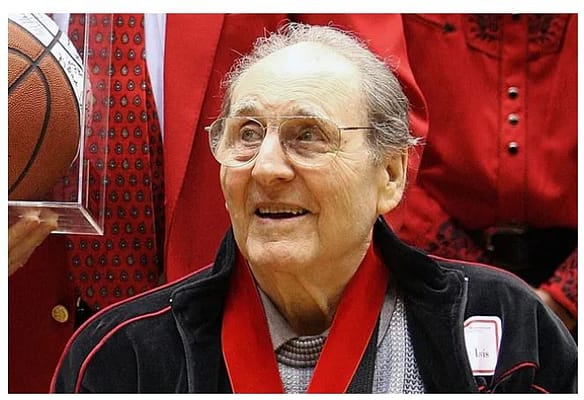
Lewis’ contributions were multifaceted. Under his leadership, the Cougars posted 27 consecutive winning seasons, posted 14 NCAA tournament appearances, and advanced to the Final Four five times (1967, 1968, 1982–84), including two national championship game appearances. Beyond the wins, he was a pioneer for racial integration in college athletics, recruiting African American players like Elvin Hayes and Don Chaney at a time and place where that was still controversial—a move that reshaped the competitive landscape of collegiate basketball across the region.
Perhaps Lewis’ greatest claim to fame is the creation of Phi Slama Jama, the high-flying, dunk-centered Houston teams of the early 1980s that featured future Hall of Famers Hakeem Olajuwon and Clyde Drexler. These teams weren’t just successful; they were electrifying, helping popularize an above-the-rim style that influenced generations of coaches and players.
One of the era’s iconic moments came in 1968 with the “Game of the Century” at the Houston Astrodome—where Lewis’ Cougars toppled UCLA, breaking its 47-game winning streak in the first nationally televised regular-season college basketball game. That matchup helped elevate college basketball into a nationally watched spectacle.
Even after his retirement and eventual induction into the Naismith Basketball Hall of Fame, Lewis’ impact endures: award winners carry his name, the University of Houston’s court is dedicated to his legacy, and the style he championed still echoes in fast-paced play across the sport.
Rick Barnes: Transforming Texas Longhorns Basketball
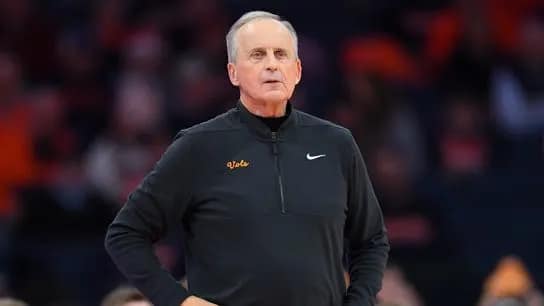
While Guy Lewis revolutionized the game itself in Houston, Rick Barnes reshaped the University of Texas basketball program, turning what had historically been a football-centric school into a consistent national contender.
Barnes arrived in Austin in 1998 and quickly set about rebuilding the Longhorns. In his first season he engineered a remarkable turnaround, finishing 19–13 and winning the Big 12 regular-season championship despite early struggles. Over 17 seasons, Barnes became the winningest coach in Texas basketball history, compiling 402 wins and leading the Longhorns to 16 NCAA Tournament appearances.
Under Barnes, Texas saw unprecedented success on the national stage, including a Final Four berth in 2003—the program’s first in more than half a century—and multiple deep runs in the NCAA Tournament. He also coached and developed some of college basketball’s most electrifying talents. Players such as T.J. Ford and Kevin Durant earned National Player of the Year honors during his tenure, and future NBA standouts like LaMarcus Aldridge and D.J. Augustin thrived under his guidance.
Barnes’ influence extends beyond wins and losses: he cultivated a culture of consistency, competitiveness, and player development that hadn’t existed in Austin at this scale before. His teams often played disciplined, balanced basketball that kept Texas in national conversation year after year, increasing the sport’s visibility in the region.
Other Influential Voices in Texas Basketball

While Lewis and Barnes are perhaps the most emblematic figures in the state’s college basketball coaching history, Texas basketball has also benefited from others whose regional contributions helped advance the game:
-
Tom Penders: Preceding Barnes at Texas, Penders’ uptempo “Runnin’ Horns” offense invigorated the Longhorns program, produced multiple NCAA tournament bids, and helped foster a more exciting brand of basketball in Austin.
-
High School Legends: Texas’ basketball ecosystem is enriched by high school coaching greats (like long-time San Antonio coach Charlie Boggess, whose impact at the grassroots level molded countless young players and entrenched basketball deeply in local culture).
Enduring Legacies and the Future of Texas Basketball
The legacies of Texas’ greatest coaches are not just measured in titles or wins but in the systemic changes they helped usher in: greater racial inclusion, faster playstyles, strategic sophistication, and the development of elite talent. These figures have shaped not just programs, but the broader culture of basketball in the state and, in many cases, across the nation.
Their influence continues to be felt not only in collegiate arenas but through the players they coached who went on to professional success, the coaching trees that trace back to their philosophies, and the fans and communities they inspired.
As basketball evolves—with analytics, new offensive systems, and shifting collegiate landscapes—Texas coaches remain at the cutting edge, blending tradition with modern innovation. It’s a testament to the depth of the sport in the Lone Star State that its coaching legends have left such a rich and lasting imprint. The architects of Texas basketball show us that on the hardwood, coaching is as much about vision and culture as it is about X’s and O’s.